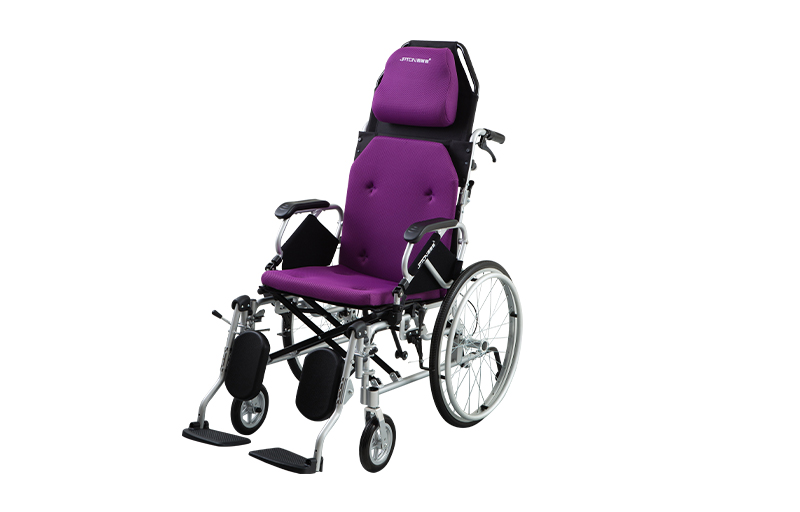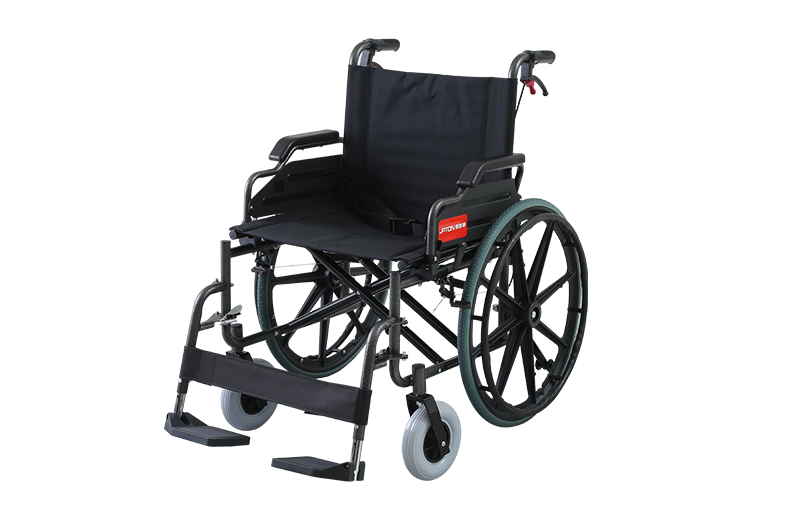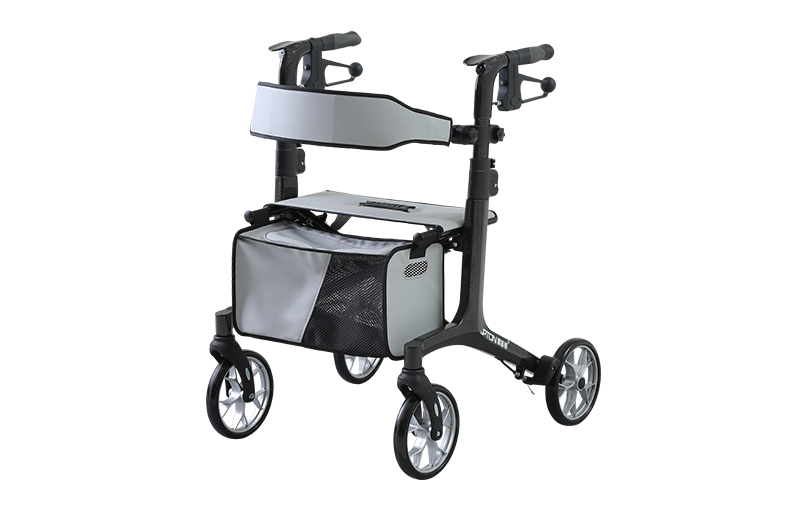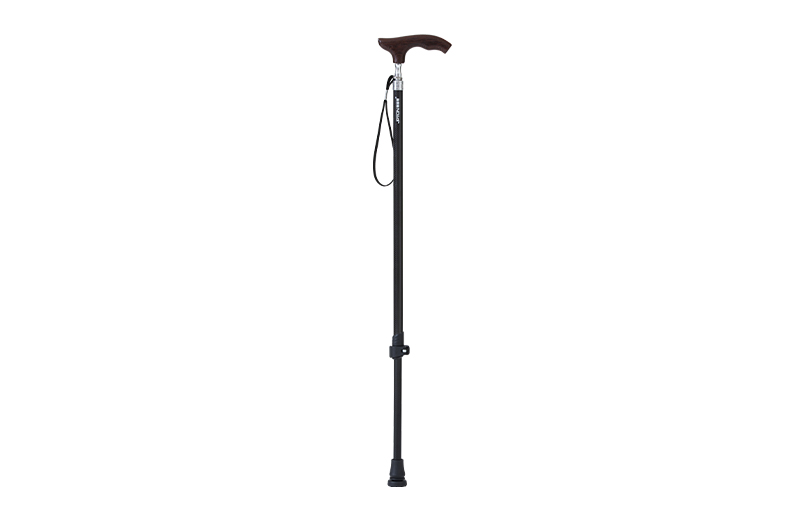

In 2026, with the deep integration of the accelerated population aging and the "Healthy China" strategy, my country's wheelchair, crutches and walker-type rehabilitation assistive device industry will usher in a critical transition period for high-quality development. With the strong drive of national policies and the deep penetration of cutting-edge technology, traditional mobility products are accelerating to become intelligent, lightweight and personalized, and a blue ocean market worth hundreds of billions is exploding.
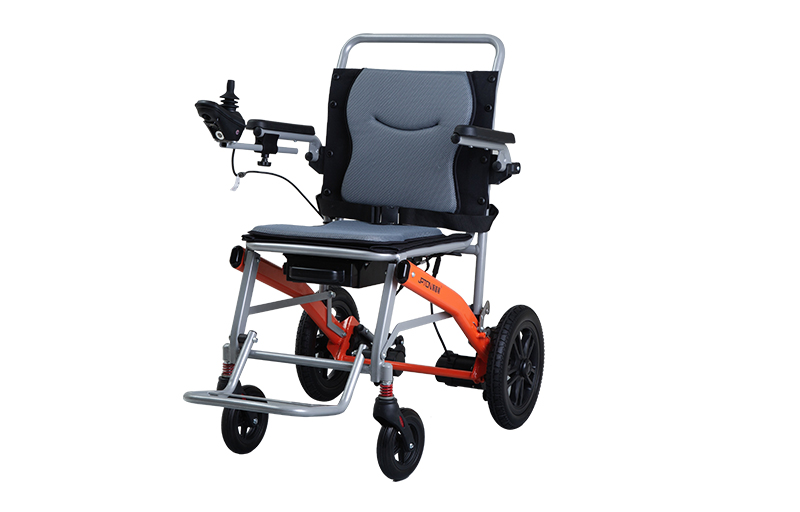
According to predictions by authoritative organizations, the size of my country's rehabilitation equipment market will exceed 180 billion yuan in 2026. Among them, electric wheelchairs are gradually replacing traditional manual wheelchairs and becoming the mainstream of the market with their higher convenience and product experience. It is expected to maintain a compound growth rate of about 10% in the next few years, and the market size is expected to reach 36.4 billion yuan by 2031. At the same time, manual wheelchairs are also constantly innovating, achieving extreme lightweighting through the application of new materials such as carbon fiber to solve the industry pain point of long-term implementation that can easily lead to wrist injuries.

At the technical level, the application of AI artificial intelligence and new materials is reshaping product forms. Currently, smart electric wheelchairs with environmental sensing, navigation and obstacle avoidance functions have become a research and development hotspot; in the field of walkers, exoskeleton robots are moving from "rigid machinery" to "flexible interaction". The new generation of soft exoskeleton abandons bulky connecting rods and fits the body like clothing. It combines myoelectric sensing and AI algorithms to sense user intentions in real time and provide precise assistance, allowing semi-disabled elderly people to regain the freedom to walk. In addition, the popularization of 3D printing technology has greatly shortened the production cycle and significantly reduced costs of customized orthotics and mobility equipment, truly realizing "one person, one version" personalized adaptation.
The policy side also released major benefits. The 2026 version of the "Catalogue of China's Rehabilitation Assistive Devices" was officially released recently, adding a new batch of representative innovative products suitable for aging, and clarifying the pricing standards for "artificial intelligence-assisted rehabilitation" at the national level for the first time. This means that more high-tech mobility equipment is expected to be included in the payment scope of medical insurance and long-term care insurance, greatly improving the purchasing power and accessibility of ordinary families.
In 2026, technological assistance to the disabled and smart elderly care are no longer concepts, but have actually entered thousands of households, redefining the boundaries and dignity of life for hundreds of millions of elders and people with limited mobility.